

The Cake is a Lie

In an admittedly LinkedIn-esque non-sequiteur, I am going to share something a bit personal:
I have a truly love-hate relationship with my birthday.
Which is apropos because it is in a single-digit number of days from today.
Love, because who doesn’t appreciate having a day where they get cake, presents, and a whole bunch of well-wishes from folks?
And hate because it is within 10 days of one of the largest holidays in the western world and not only have I not gotten any (and I do mean ANY) of the above on more than one occasion, I have also had the whole spectrum of horror, including those embarrassing parties where only two people show up and have even been dumped (though yes, I almost certainly deserved it).
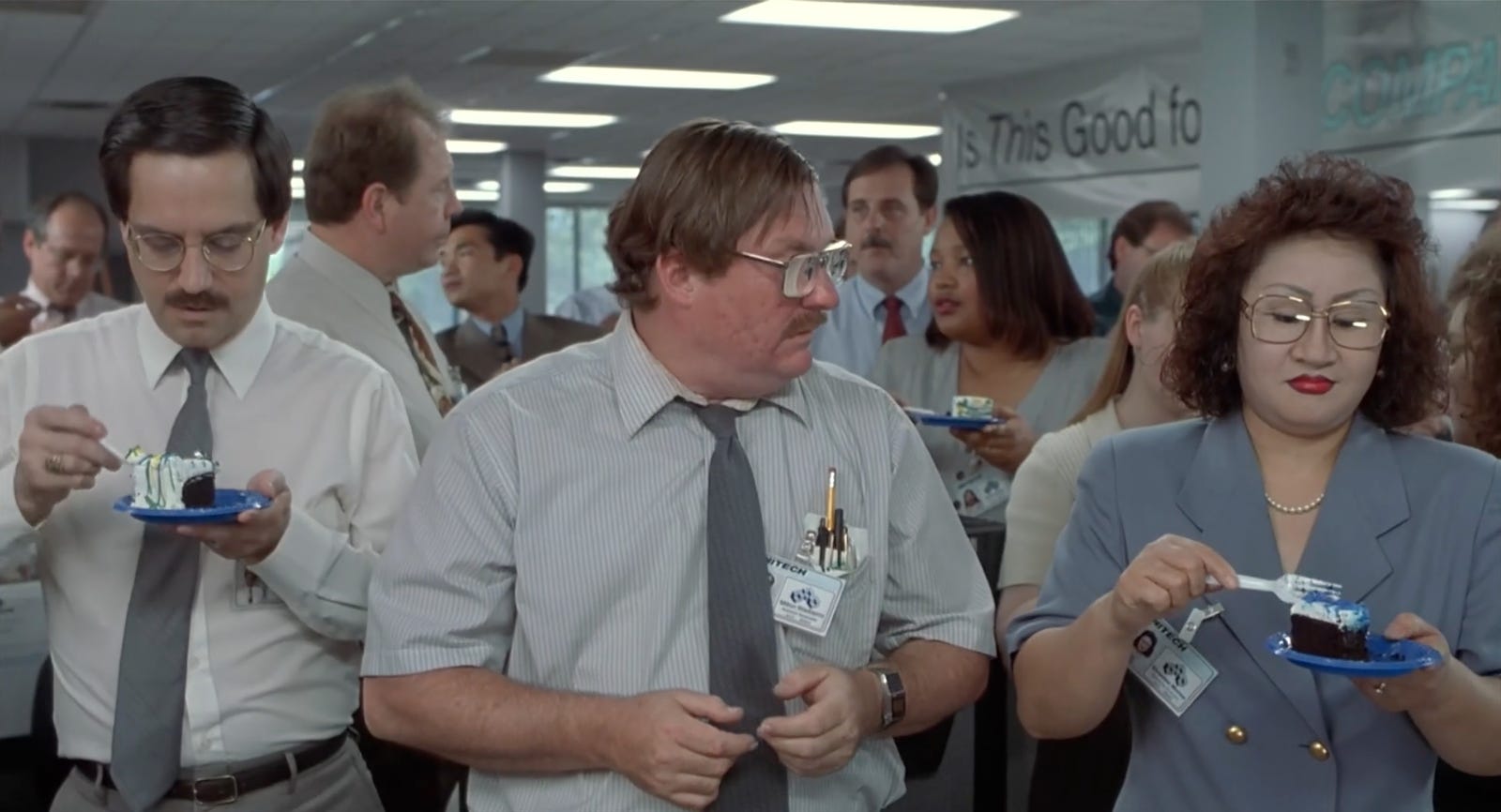
“So? What’s the point?” I hear you ask.
The point is that, just like me with my pity party about my birthday, everyone likes to feel seen, appreciated, and safe in their world.
That includes the people who work for you.
The instrument of our own destruction.
When we talk about “safe” work environments, the conversation often drifts toward customers, deadlines, or external pressure. And those things matter! For sure. But they are not what can quietly break a team. What does the real damage usually comes from inside the house.
From us. Leadership. WE are the problem.
It’s the poorly delivered criticism that feels personal instead of corrective.
It’s the job uncertainty disguised as “keeping people sharp.”
It’s micromanagement that communicates a lack of trust.
It’s “just giving feedback” that somehow only shows up when something goes wrong.
It’s holding people to standards that were never communicated.
None of this may look overly dramatic in isolation, which is why it can be so dangerous . . . it accumulates.
I have watched capable, motivated representatives slowly shrink in environments like this. They will stop asking questions, offering ideas, or even raising red flags for fear of standing out. They do exactly what is asked and nothing more, because doing more has proven risky.
And then leadership wonders why initiative has disappeared.
Be the safe place.
Remember that internal safety is not about protecting people from expectations. It is about protecting them from unnecessary fear.
In their place of work, I don’t believe that anybody should be afraid:
About being publicly embarrassed.
About being judged instead of coached.
Of losing their job over a single mistake.
Of a manager monitoring every move they make.
Fear can be a powerful tool if you want automatons for a short period of time, but you cannot build accountability on top of fear. You can force compliance, sure. But ownership requires trust, and trust requires consistency.
Where I have seen things fall apart is when leaders expect perfection and when it fails they resort to harsh and sometimes public criticism. Good leaders still give hard feedback. They still hold people responsible for outcomes. They still make tough calls when someone is not meeting the bar. The difference is that the feedback is about the work, not the person. Negative feedback is delivered privately. The expectations are stated plainly. The process is not a mystery.
In a chaotic job, provide order.
One of the most stabilizing things you can give a team is predictability in how you lead.
Create an environment so that your agents know what is coming. If someone does well, they know that they’ll be acknowledged for it (and the topic of how they’ll be recognized is a topic for a whole other post!). If they miss the mark, they know how it will be dealt with. If they raise a concern, they know that it will be taken seriously,
And perhaps most importantly, if there is change coming, they know and trust that they will hear about it from you absolutely as soon as possible.
This kind of environment does not happen by accident. It requires self-actualized leaders to manage their own impulses. Those urges to react emotionally or to try and control everything in your domain . . . we all have them, and I am no exception! But those instincts serve no positive purpose and long term it will only harm your employees and your relationship with them.
Playing for keeps.
Here’s the thing: We all also need to constantly remember as leaders that there is a power imbalance any time that we are working with our team.
A passing comment that I genuinely forgot five minutes after I said it stuck with a rep for literally YEARS. I know because when I ran into her at a mutual friend’s wedding, she brought it up. I had been a BABY supervisor and was not . . . great at it. I still cringe at the memory of her telling me about this and the clear pain in her eyes.
Whether it be a word said in frustration, in anger, or even just a sarcastic remark dropped in a meeting, careless communications can permanently change how safe someone feels in speaking up. Not just for a while, not just in your team. For years. Forever.
Leadership behavior is amplified, whether we like it or not.
Last bit, I promise.
Back to the birthday analogy one last time.
The reason those moments sting is not the lack of celebration. It is the realization that the space you thought was safe was not. That the people you expected to show up did not.
Workplaces can create that same feeling far more often than we, as leaders, realize.
If you want teams that take ownership, tell the truth to power (us) early, and actually care about outcomes, we have to look inward first. Build an environment where people are safe from erratic leadership, unclear expectations, and needless fear. Hold them accountable inside that structure. Coach them there. Expect excellence there.
Also?
Remember their damned birthdays. It’s one day.